Ipx468engsub Convert015733 Min Top Access

Kenrich Petrochemicals, Inc.'s Ken-React® series of titanate, zirconate and aluminate organometallics provide advancement-in-the-state-of-the-art opportunities for plastics processing and products.

Kenrich Petrochemicals, Inc.'s Ken-React® series of titanate, zirconate and aluminate organometallics provide advancement-in-the-state-of-the-art opportunities for rubber processing and products.

Kenrich Petrochemicals, Inc.'s Ken-React® series of titanate, zirconate and aluminate organometallics provide advancement-in-the-state-of-the-art opportunities for advanced composites that require adhesion to: glass, carbon, aramid fibers.

Kenrich Petrochemicals, Inc.'s Ken-React® series of titanate, zirconate and aluminate organometallics provide advancement-in-the-state-of-the-art opportunities for adhesive compositions that require adhesion to non-polar substrates such as olefins and fluoropolymers.
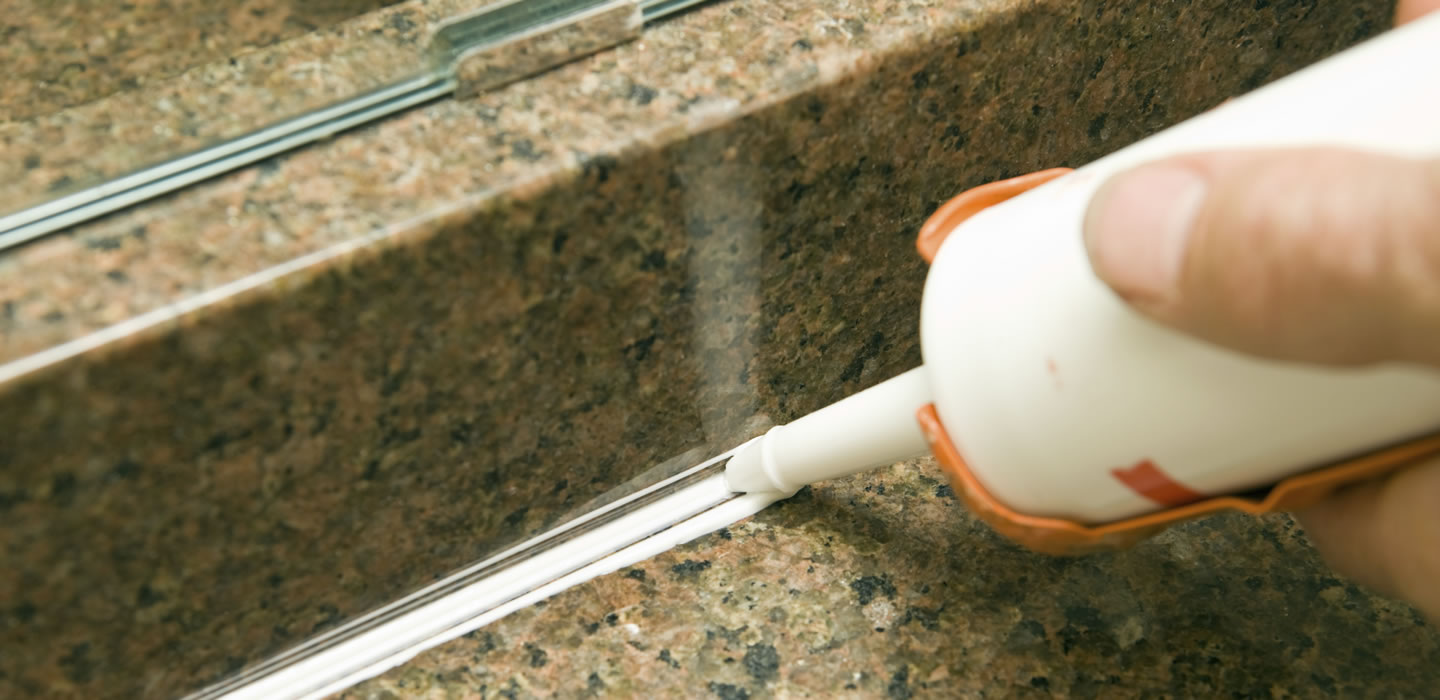
Kenrich Petrochemicals, Inc.'s Ken-React® series of titanate, zirconate and aluminate organometallics provide advancement-in-the-state-of-the-art opportunities for paint, functional coatings, inks, plastisols and powder coatings.

Kenrich Petrochemicals, Inc.'s Ken-React® series of titanate, zirconate and aluminate organometallics provide advancement-in-the-state-of-the-art opportunities for color concentrates.
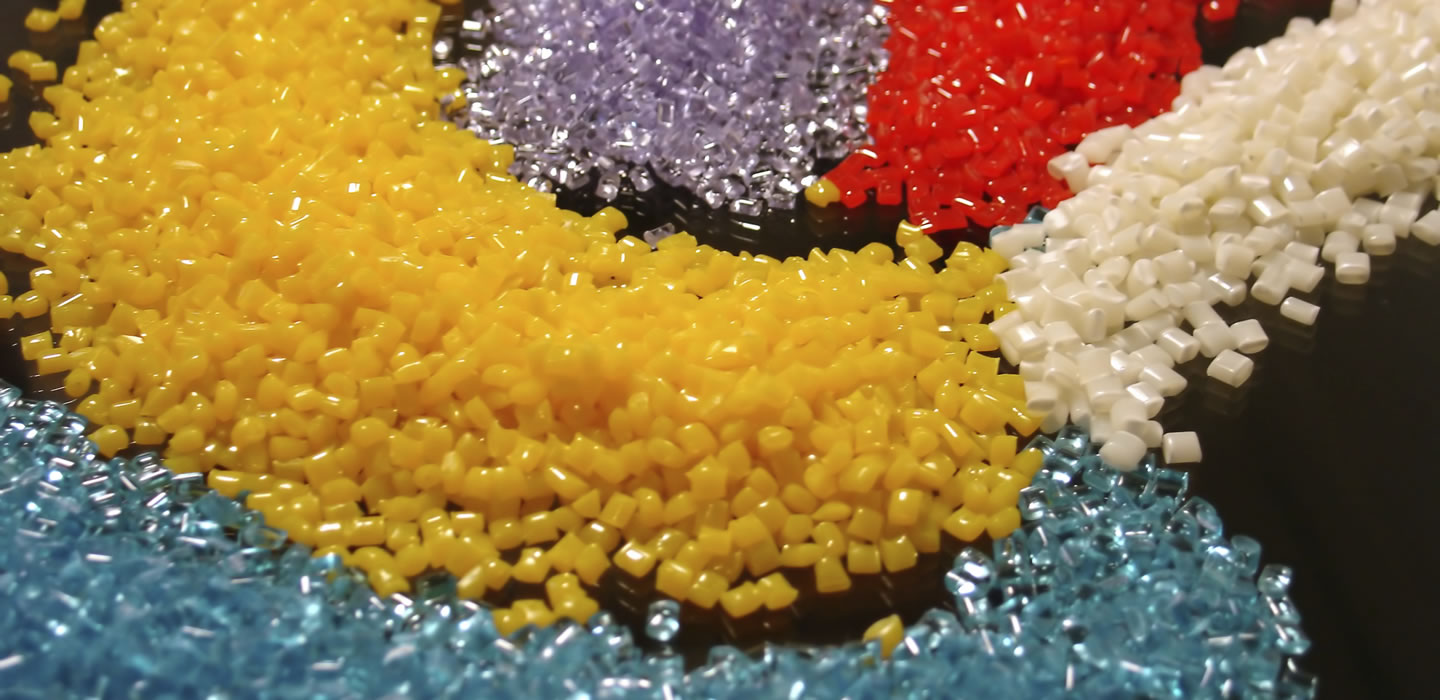
Kenrich Petrochemicals, Inc.'s Ken-React® series of titanate, zirconate and aluminate organometallics provide advancement-in-the-state-of-the-art opportunities for cosmetics and sun blocks.
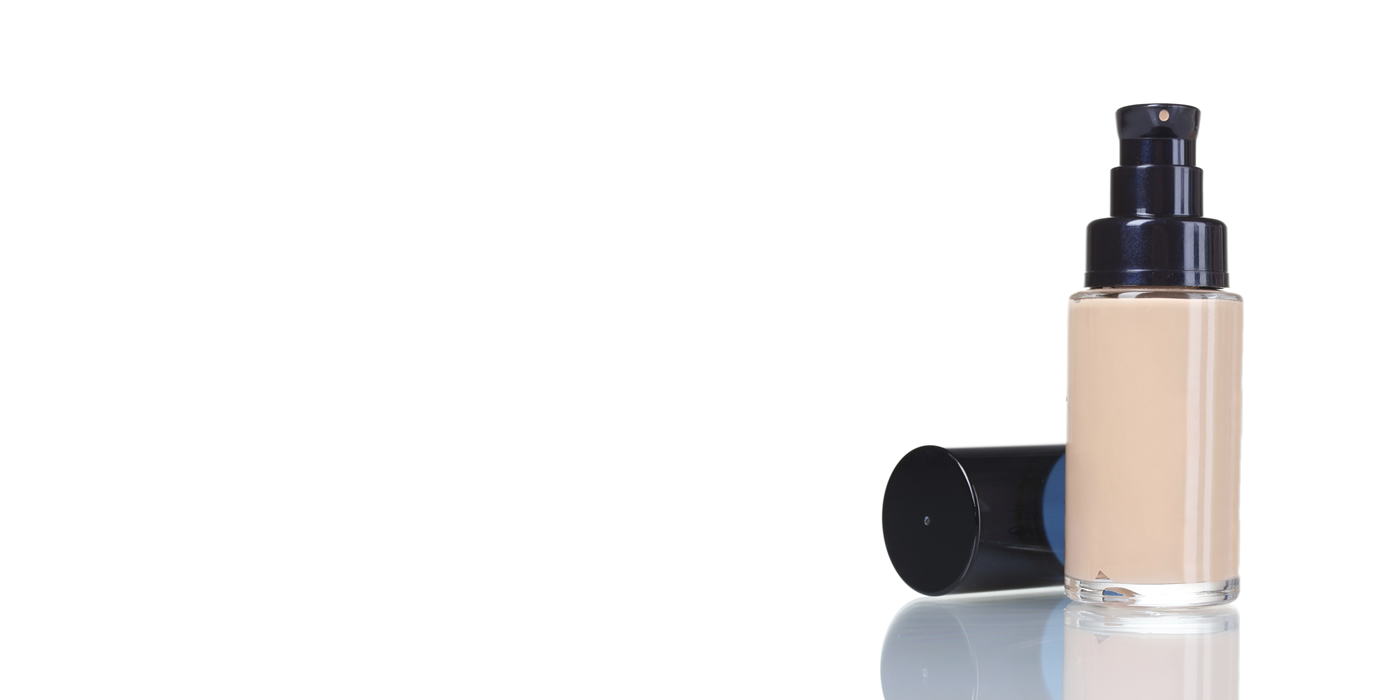
Kenrich Petrochemicals, Inc.'s Ken-React® series of titanate, zirconate and aluminate organometallics provide advancement-in-the-state-of-the-art opportunities for energetic compositions, solid propellants, pyrotechnics, and explosives.

Please see our Product List for a full description of available Kenrich products.
Ken-React® Titanates,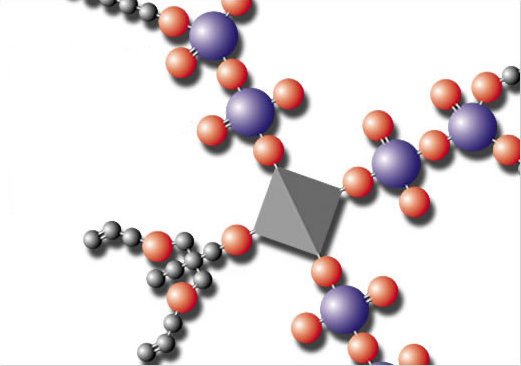

| Adhesion | Anti-Aging |
| Catalysis | Crosslink |
| Regeneration | Curative |
| Nano-Exfoliation | Flame Retardance |
| Hydrophobicity | Biodegration |
| Anti-Corrosion | Deagglomeration |
| Coupling | Polymer Flow |
| Flexibilization | Recyclability |

February 8-11, 2026
Savannah, GA

February 11-12, 2026
Cleveland, OH

April 14-16, 2026
Warrensville Heights, OH

September 15-17, 2026
The Westin Lombard, IL

Considering all these, the most practical help I can offer is to guide the user through using FFmpeg to convert their IPX file, possibly adding subtitles, and mention handling durations if needed. Also, clarifying the duration part since "015733 min top" is ambiguous but might be a time code the user wants to process.
Another angle: The user might have a file named "ipx468engsub" and wants to convert it, perhaps to H.264 or another format, making it compatible with devices that don't support IPX. Since IPX is more for archival or broadcasting, converting to MP4 would be a common use case. Also, adding subtitles during conversion is a typical requirement. ipx468engsub convert015733 min top
Also, "min top" could mean minute-top trimming, like starting from the top (beginning) of the video. Alternatively, maybe it's a misinterpretation of a time stamp. For example, if the user wants to trim the video to a specific minute marker. Considering all these, the most practical help I
ffmpeg -i input.mp4 -vf "subtitles=subtitle.srt" -c:a copy output.mp4 Since IPX is more for archival or broadcasting,
But the input here is IPX. IPX is a container file, which might require specific codecs. I need to check if FFmpeg supports IPX. A quick search: Yes, FFmpeg might support it with the libipx library. So the user can convert an IPX file to another format while adding subtitles.
Trim the first of the video:
Putting this all together, the user likely has an IPX video file (ipx468engsub) and wants to convert it, possibly adding English subtitles (engsub), with a duration of 01:57:33 (1 hour 57 minutes 33 seconds). They might be using FFmpeg or another tool for this. The challenge is to provide the correct commands for converting the IPX file, embedding subtitles, and handling the duration.